
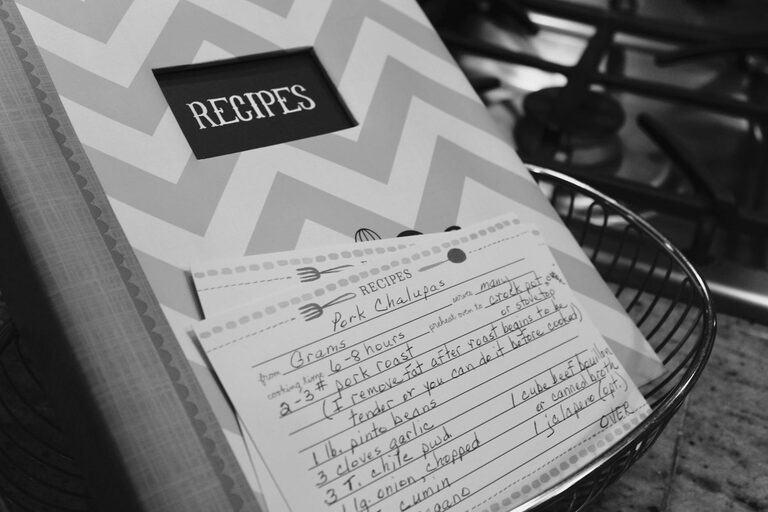
How to Create a Simple Weekly Meal Plan for Stress-Free Cooking
Planning your meals for the week can make a big difference in your daily routine. A simple weekly meal plan helps you save time, reduce stress, and eat more balanced meals. Whether you’re cooking for yourself, your family, or both, a good plan keeps you organized and can even save money by preventing last-minute takeout or unnecessary grocery trips.
In this post, we’ll explore how to create a straightforward weekly meal plan, share some helpful tips, and offer ideas that anyone can follow—no matter your cooking skills.
Why Create a Weekly Meal Plan?
Before diving into the how, it’s worth understanding why meal planning matters.
– Saves time: Knowing what to cook each day reduces decision-making and speeds up grocery shopping.
– Reduces food waste: Planning helps you buy only what you need.
– Supports healthy eating: You can balance meals with veggies, proteins, and grains.
– Saves money: Avoid impulsive buying and expensive convenience foods.
– Decreases stress: No last-minute scrambling for dinner ideas.
Step 1: Evaluate Your Week Ahead
Start by looking at your schedule.
– Check your calendar for busy days, social events, or days when you might eat out.
– Identify days when you have more cooking time and days when you want quick meals.
– Consider family preferences and dietary needs.
This helps tailor your meal plan so it fits your lifestyle.
Step 2: Choose Your Meals
For a simple plan, pick around 5-7 meals for the week. Here’s how to get started:
Pick Breakfasts
Choose simple breakfast options you enjoy, like oatmeal, yogurt with fruit, or smoothies. These often repeat throughout the week.
Select Lunch Ideas
Lunch could be leftovers, salads, sandwiches, or easy-to-pack meals if you eat at work or school.
Plan Dinners
Dinner usually takes more effort and variety. Think about:
– One-pot meals like soups or stews
– Sheet pan dishes that cook everything together
– Quick stir-fries or pasta
– Slow cooker recipes for busy days
Include Snacks
Healthy snacks like nuts, fruit, or cut veggies keep you energized.
Step 3: Create Your Grocery List
Once meals are decided, write down all ingredients you’ll need.
– Check what you already have at home to avoid duplicates.
– Organize your list into sections: produce, dairy, meat, pantry items, etc. This saves time at the store.
– Consider buying in bulk for frequently used items.
Step 4: Prep in Advance
Meal prepping can make your week easier.
– Wash and chop veggies for salads or cooking.
– Cook grains like rice or quinoa ahead of time.
– Portion snacks or meals to grab quickly.
Even 30 minutes of prep on a weekend or day off can pay off during busy weekdays.
Step 5: Stay Flexible
Your plan is a guide, not a strict rulebook.
– Swap meals if your schedule changes or you’re not in the mood for a particular dish.
– Use leftovers creatively—turn yesterday’s roast chicken into today’s sandwich.
– Don’t stress over perfection; consistency matters more than perfection.
Sample Simple Weekly Meal Plan
Here’s an example to inspire your own plan:
| Day | Breakfast | Lunch | Dinner | Snack |
|———–|—————————|——————————|——————————|———————–|
| Monday | Greek yogurt with honey & berries | Turkey sandwich & veggies | One-pot chili with rice | Apple slices & almonds|
| Tuesday | Oatmeal with banana | Leftover chili | Sheet pan roasted chicken & veggies | Carrot sticks & hummus|
| Wednesday | Smoothie with spinach & fruit | Quinoa salad with chickpeas | Stir-fry with tofu & broccoli | Trail mix |
| Thursday | Scrambled eggs & toast | Garden salad with tuna | Spaghetti with marinara sauce | Greek yogurt |
| Friday | Avocado toast | Chicken wrap | Homemade pizza with veggies | Mixed fruit bowl |
| Saturday | Pancakes | Leftover pizza | Slow cooker beef stew | Popcorn |
| Sunday | Bagel with cream cheese | Soup & salad | Grilled fish & steamed veggies| Dark chocolate square |
Tips for Success
– Start small: If new to meal planning, begin by planning dinners only.
– Use apps or printables: Free templates and apps can simplify planning.
– Cook double portions: Freeze extras for quick future meals.
– Rotate favorite meals: Keep your plan doable by repeating meals you love.
– Involve your family: Get input on preferred meals to increase buy-in.
– Shop more than once a week: If fresh produce doesn’t last, consider a midweek run.
Conclusion
Creating a simple weekly meal plan doesn’t have to be complicated. By evaluating your schedule, choosing balanced meals, prepping ahead, and allowing flexibility, you can make your week run smoother and enjoy more satisfying meals. Start with a basic plan this week and adjust as you learn what works best for you.
Happy cooking and planning!
